I don’t think I’ve ever seen fortitude replete with such glory as when I watched Terrence Malick’s film “A Hidden Life” last year. In this film, Franz Jäggerstätter decides that he cannot fight for the Nazis, and he then endures the agonizing consequences of his decision–consequences which cost him and his family dearly. The decision is one long in the making, and the results are even further reaching. And yet, it is glorious.
The weight of glory in a hidden life
When I say “glory,” I don’t mean the pomp and splendor and brightness we might first think—the film showed anything but that. In fact, it was one of the most painful and excruciating films I have ever watched because the glory it portrayed so clearly was the weight of glory. The weight is that of exceeding heaviness, and it sometimes doesn’t feel much different than the sinking of our stomachs. And yet that glorious weight is redeemed by the knowledge that such heaviness is meaningful. Far from being futile, the enduring and suffering have an awe-full reward with a worth that far exceeds all we could imagine.
Remembering Franz Jägerstätter as he endured a life of such heavy glory, I think of this quote from Josef Pieper’s The Four Cardinal Virtues:
To be brave is not the same as to have no fear. Indeed, fortitude actually rules out a certain kind of fearlessness, namely the fearlessness that is based upon a false appraisal and evaluation of reality. Fortitude presupposes in a certain sense that man is afraid of evil; its essence lies not in knowing no fear, but in not allowing oneself to be forced into evil by fear, or to be kept by fear from the realization of the good.
Isn’t this fortitude—recognizing the pain, and yet resolving to journey on, acknowledging the suffering, and yet straining towards the glory, sometimes for years?
How do we teach fortitude to the youngest students?
But what about the young among us? What about those whose life experience is confined to just a few years of living? Part of fortitude is the idea of long-suffering, overcoming the fear that deepens as time lengthens and the bravery that wanes as the days increase. How do we communicate this idea of fortitude to the youngest students? This is a question I’ve often asked myself while teaching lower school students. And, as with so many questions in education, I’ve found answers in routines that are practical, quotidian, and beautiful.

Stories
As we wholeheartedly hold to in the classical tradition, the best way for children to learn is through stories, and the lesson of fortitude is no exception. As they journey along with the characters of a story, children put on those characters’ personalities. When characters have to live through tremendous difficulties and setbacks—and when they do so while not giving in to fear, but by illuminating the good—children are both impressed by and drawn towards that. They want to become that hero and to assume that fearlessness. Some of my favorite children’s books for illustrating fortitude are Carry on Mr. Bowditch, The Railway Children, The King’s Shadow, The Long Winter, The Courage of Sarah Noble, Johnny Tremain, Heidi, Pollyanna, and (of course!) The Lord of the Rings trilogy.
Guided Drawings
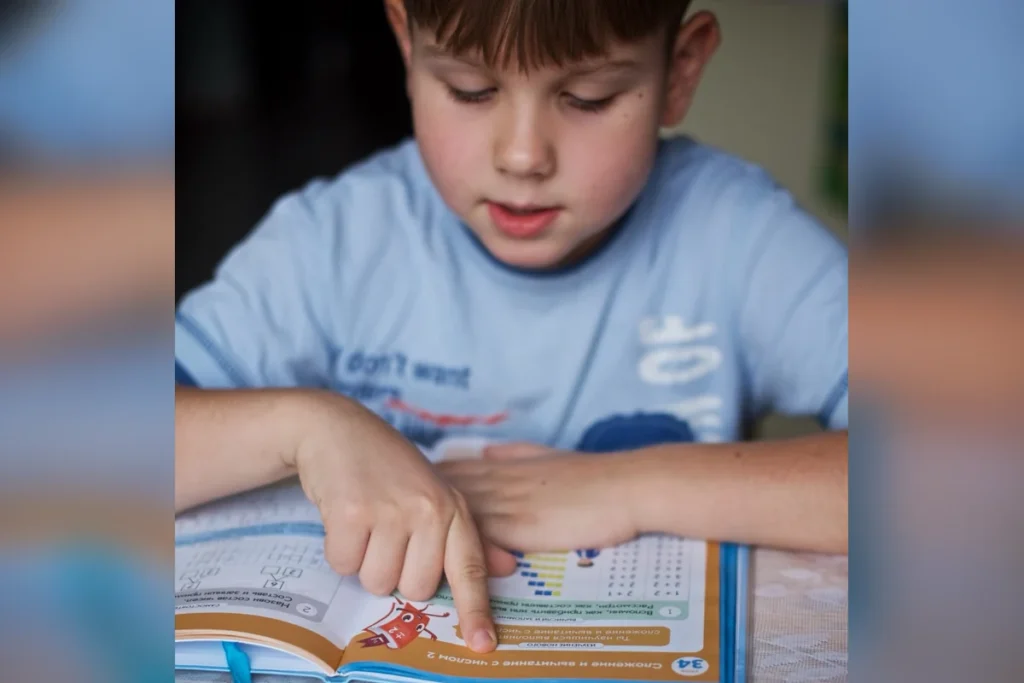
I have noticed a certain apprehensiveness that sets in when I have told my students to illustrate something, be it a scene from “Hansel and Gretel” or a story map of The Epic of Gilgamesh. The children often become overwhelmed at the “bigness” and the “whiteness” of the piece of paper—in a sense, they become fearful.
Because of this, I love doing guided drawings. As I guide their drawings, modeling with my own, the students recognize three things: (1) This task is overwhelming, but I am not alone (2) I can overcome whatever anxiety I may have felt with patience and determination and (3) what I have created through this overcoming is something beautiful and something meaningful. They have experienced, on a small scale, the process we all go through in the formation of fortitude.
Patience formed through handwork and gardening
Handwork
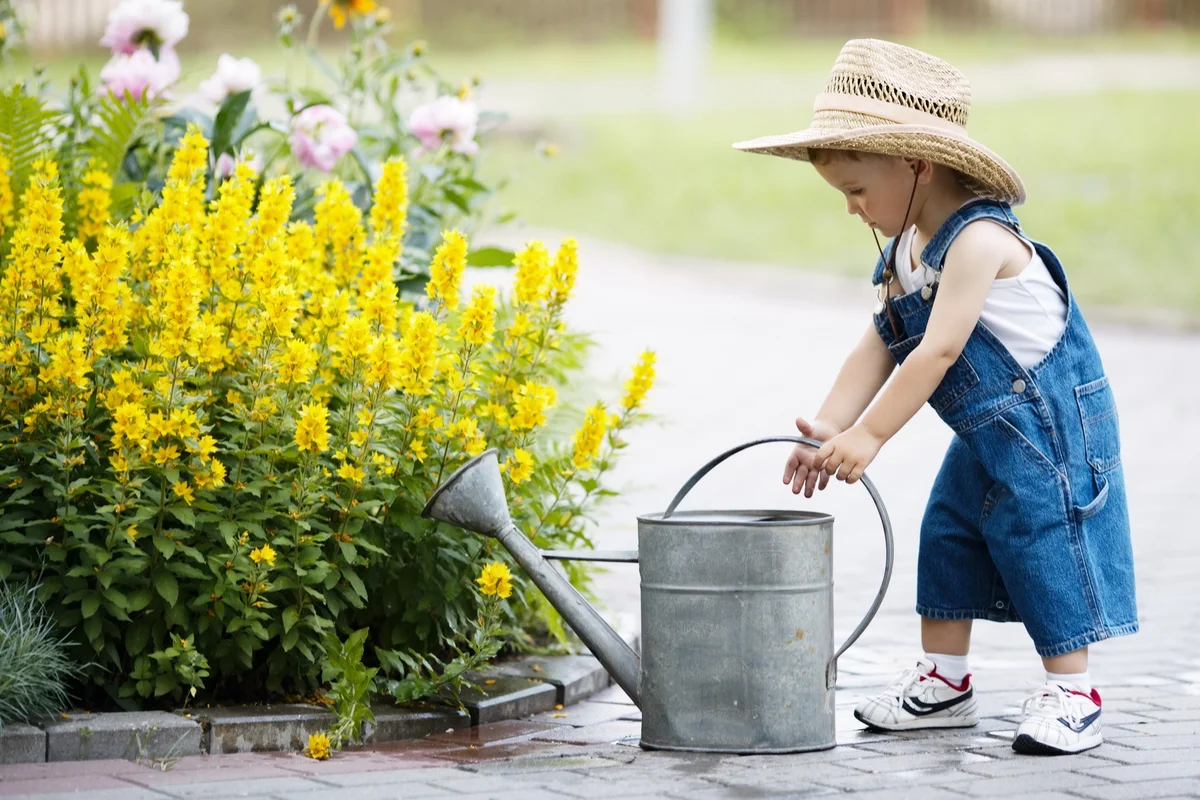
As small hands knit yarn or sew cloth or weave threads, their fingers, which are not yet confident with these sorts of movements, become easily frustrated and impatient. Once again, they become fearful. “I can’t do this!” “I’ll do it when I’m bigger.” “Can I do something else?” But when they have overcome that fear, when they have acknowledged it and yet continued on, the reward comes as they watch the product of their labors slowly taking shape. The frustration leaves, and the subsequent determination, concentration, and bravery seems even more rewarding
Gardening
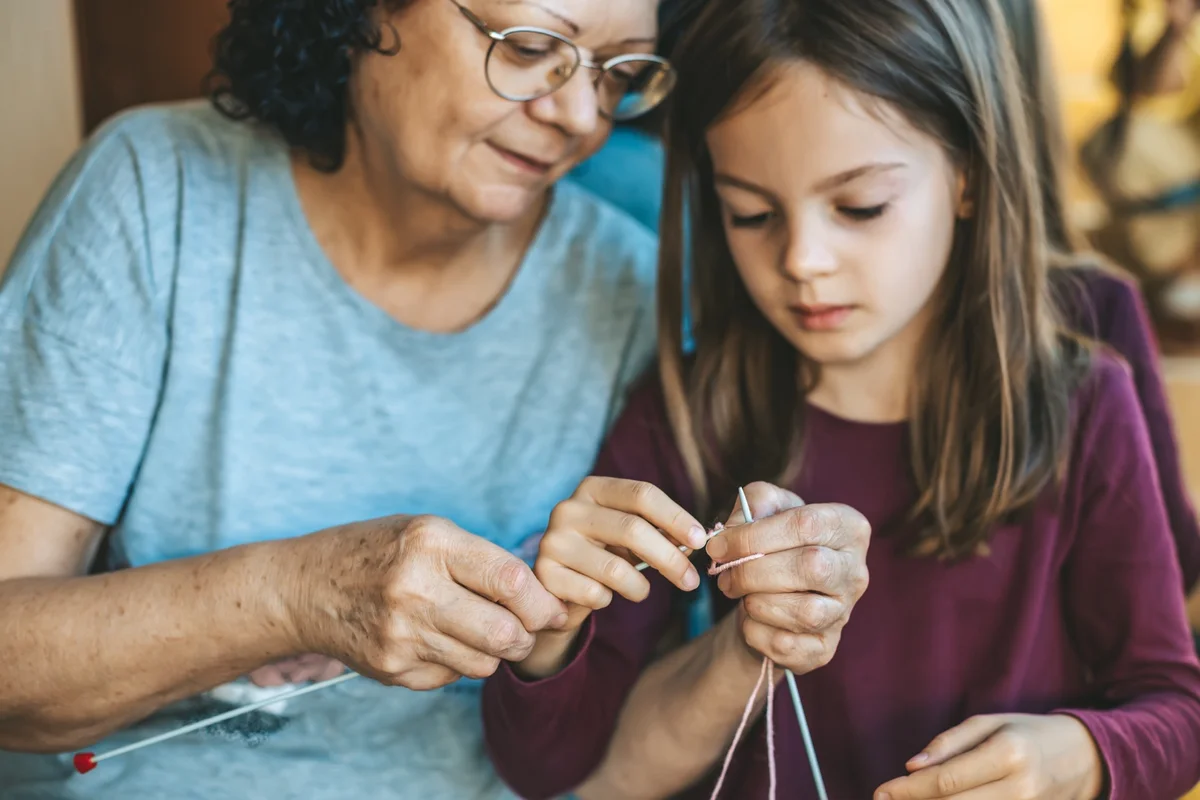
When I taught in a brick-and-mortar school, every class had its own garden bed in which we had to grow things that we could eat. With a rain boot clad and trowel-bearing trail of six year olds behind me and an empty bed of dirt in front, this certainly seemed like an exercise of fortitude for myself as a teacher! But as the year went on, I sensed students (and myself!) gaining a practiced patience through this task.
Certainly part of fortitude is an exercise of patience—patience with oneself upon the recognition of fear, patience through the difficulty, and patience for the redemption of the difficulty. And even more than fruits or vegetables or herbs, doesn’t gardening instill a visceral understanding of patience? As students dig in the dirt and plant the seeds and water the shoots and watch the ripening of the harvest, nothing happens quickly, and the end is hardly ever in sight. Yet when young children find the pleasure and the beauty in this—joy in the waiting—doesn’t fortitude have fertile ground in which to grow?
Conclusion
Jäggerstätter wrote, “Disciples of Jesus must learn to perceive the suffering of their master as unavoidable and to apprehend the religion of Jesus as the religion of the cross.” Perhaps this is the essence of fortitude. We come to a recognition of the suffering that is inevitable; yet in the same way that the cross was transformed from an instrument of torture into an emblem of glory, even so, those situations which ask of us the most courage and the most endurance will be likewise transformed into glory. Let us not neglect to pursue ways we can prepare our children’s hearts—and our own—to be such glory-seekers.