Posts from the Scholé Academy blog.
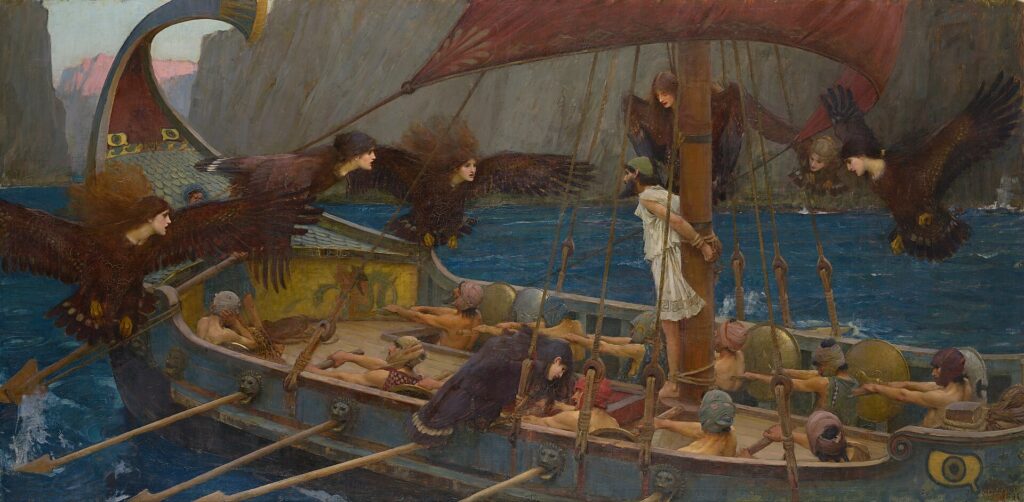
What does it mean to be tied to the mast? Homer's story of Odysseus and the sirens offers parents and teachers a classical picture of how students grow…
When a child skips lines or avoids reading but passes the eye exam, the trouble may lie in how the brain processes what the eyes see. Here are…
What did C.S. Lewis believe about education? A look at how Lewis was taught, why he urged us to read old books, how his sense of wonder grew,…
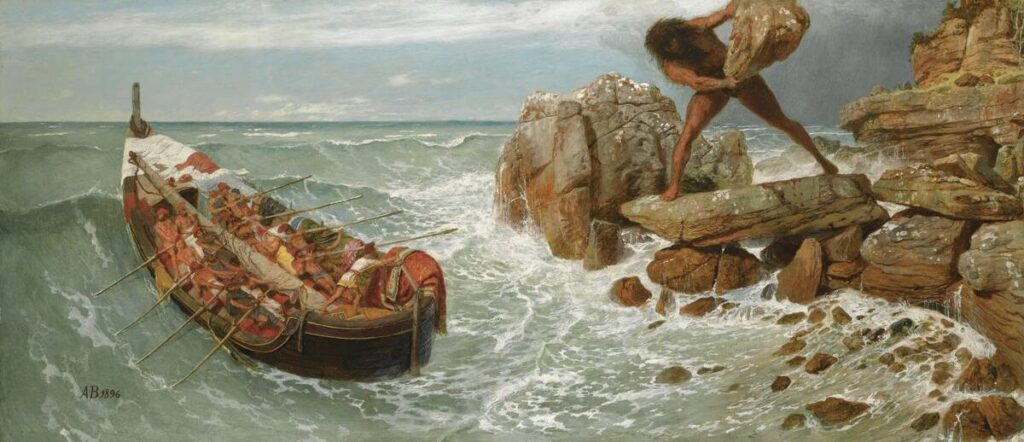
Odysseus' fatal flaw is pride, yet Homer brings his proud hero home as a beggar. A look at hubris, humility, and Argos the faithful dog in the Odyssey,…
Temperance is more than moderation. In the classical and Christian tradition it is the harmony of the whole person, every part ordered toward God and the good.
Can you really use the Socratic method with a five-year-old? A Scholé Academy teacher explains the Socratic method of teaching, offers Socratic questioning examples for every age, and…
Literature, history and government raise hard questions every week. A Scholé humanities teacher explains why he has learned to embrace the imperfection of those discussions.
What prudence means in the Bible: not timidity but right judgment, the practiced habit of seeing reality clearly and acting on it in love.
What does the Bible say about AI? Scripture never names artificial intelligence, but it speaks often of wisdom, honest work, and perseverance. Here is how Scholé Academy thinks…
God made a world full of music. A longtime Orthodox choir director traces sacred music from the angels' song through Bach, Beethoven and Brahms, and finds God's glory…
Why teach computer programming at a classical Christian school? Logic, Scripture, and the Great Books prepare students to build programs and to use technology wisely.
Catherine Wise shares recently published middle-grade novels her family loved reading aloud, from The Green Ember to A Place to Hang the Moon.