Posts from the Scholé Academy blog.
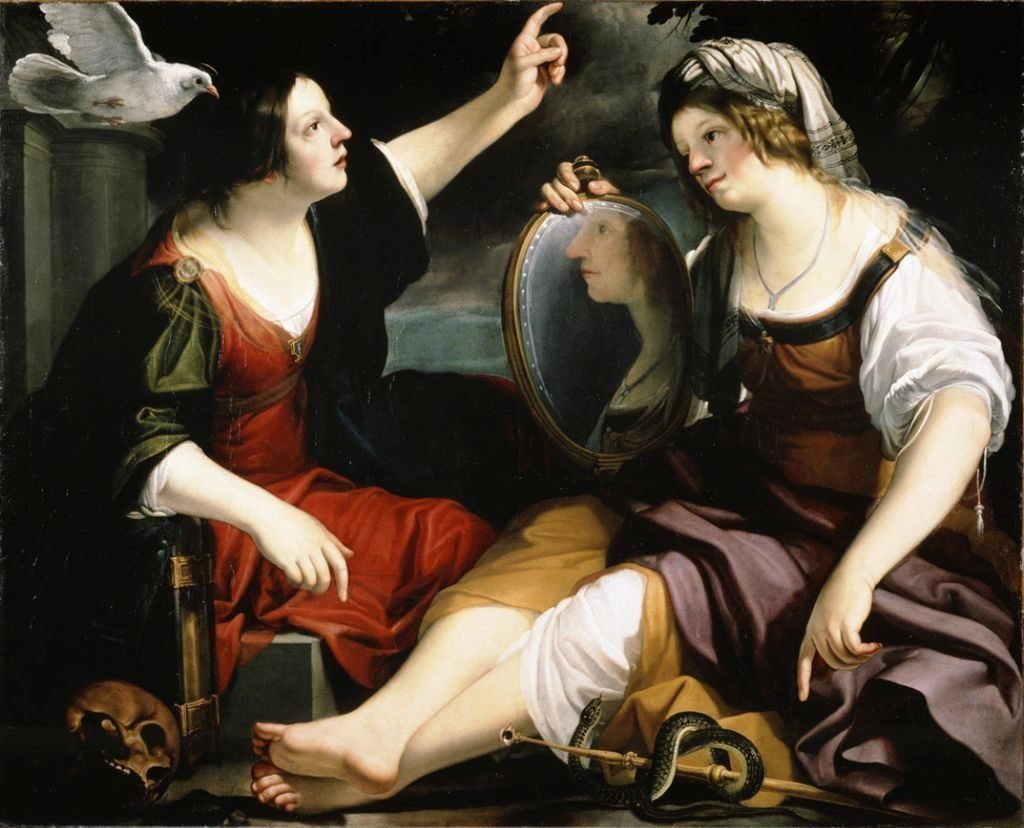
Painting: Wisdom and Prudence by Francesco Rustici, 1610–1625 To be prudent in the bible is to exercise right judgment, to see reality as it truly is and to…
~ by Dr. Amy Richards ~ Is classical education only for the most academically gifted students? Often, we associate classical education with a rigorous academic program for the…
~ by Grace Nelson ~In Ghana, where I have lived as a missionary kid since 2015, my family is working with the Rafiki Foundation, a non-profit organization, helping…
~ by Evalyn Homoelle ~ Restful Learning. Scholé Academy’s goal seemed paradoxical and almost amusing to me as a stressed-out high schooler. How could schoolwork, high school, and…
~ by Mallory Stripling ~ One idea that I have been delighted to see gain popularity in the classical education world is that of “Liturgical Learning,” in which…
~ by Charissa Sethman ~ In the Writing & Rhetoric series and corresponding Scholé Academy classes, students move through a steady progression of preliminary exercises selected to prepare…
~ by Cass Jackson ~ I am sure I’m not the only high school student who has sometimes felt as if everything we do over these four years is…
~ by Pres. Maria Koulianos ~ “Let everything take second place to our care of our children, our bringing them up to the discipline and instruction of the…
~ by Allison Scheidegger ~ As a Latin and grammar teacher, I often pose questions to my students such as, “Why is this noun in the dative case?”…
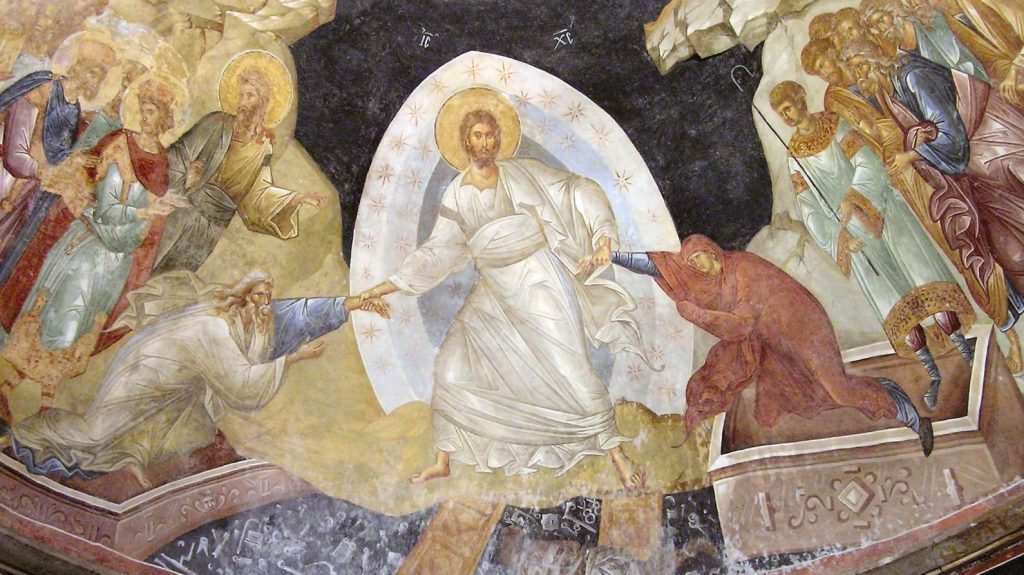
~ by Fr. Noah Bushelli ~ Christ is Risen! Indeed, He is risen!With these most joyous words, we celebrate the single most important event in history. I’ve been…
~ by Phaedra Shaltanis ~ Winter’s warming fires have long ago died and spring is flourishing. The verdant grass, the perfumed air, the burgeoning trees—all pulse with life…
Can you really use the Socratic method with a five-year-old? A Scholé Academy teacher explains the Socratic method of teaching, offers Socratic questioning examples for every age, and…