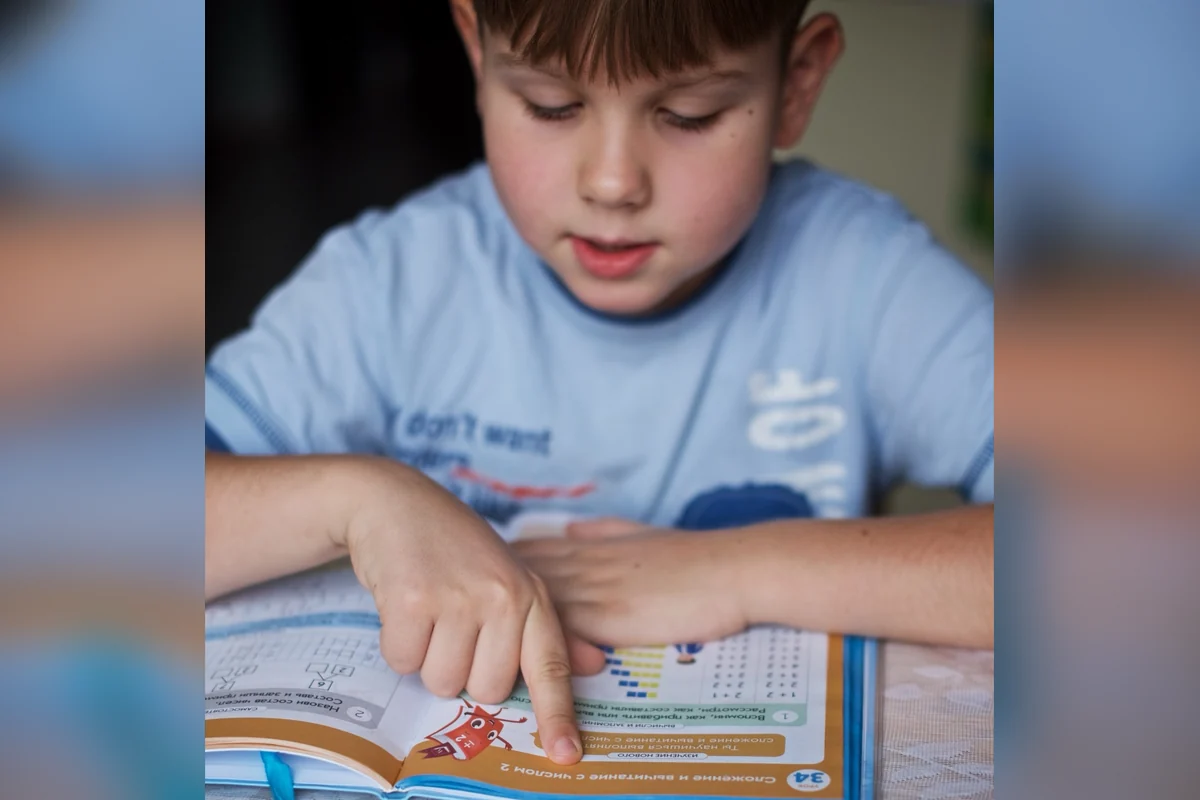
Visual processing disorder is a difficulty with how the brain interprets what the eyes see. A child can pass an eye exam with 20/20 vision and still skip lines, confuse similar words, or avoid reading altogether. Below are the red flags parents notice, how testing works, and what helps at home and in school.
Many students have mild to moderate struggles with reading, spelling and math. Parents often wonder if the problem is the curriculum, if the student is just not interested enough or if there could be something going on under the hood, so to speak. Most of the time, that gut instinct is right, and the good news is: there is plenty we can do to remedy the situation.
In this post
- What Is Visual Processing Disorder?
- Signs of Visual Processing Disorder at Home
- Is It Dyslexia or a Visual Processing Problem?
- The Seven Skills of Visual Perception
- Testing for Visual Processing Disorder
- What Helps: Therapies and Physical Supports
- Tips for Parents and Teachers
- Frequently Asked Questions
What Is Visual Processing Disorder?
Visual processing problems are extremely common affecting approximately 25% of the population. Parents often take their child to the optometrist and receive a clean bill of health. But what most optometrists don’t tell you is that visual acuity (that 20/20 visual score) is only 20% of vision. The other 80% comes in the form of the ability to move the eyes together smoothly and of the brain’s ability to interpret those visual signals.
Up to 80% of students who struggle with reading have some diagnosable difficulty with controlling their eyes. Visual perception is what the brain does with the signal once it passes beyond the physical eyes.
Signs of Visual Processing Disorder at Home
The most common signs of visual problems that parents will notice are:
- skipping words or lines while reading aloud
- headaches
- avoidance of reading
- difficulty scanning for information
- difficulty understanding what they read
- blurred vision
- tilting the head to one side while reading
- difficulty judging distance
There are many more symptoms. These are just a taste to get you started thinking in that direction.
Is It Dyslexia or a Visual Processing Problem?
I commonly hear that students have a diagnosis of dyslexia or that a parent wants to know if their child is dyslexic. In order to diagnose dyslexia, however, practitioners rely on what they can observe, problems with reading, spelling and comprehension. That doesn’t do much to tell us what is causing it or how to remedy the difficulty.
The classic sign of dyslexia that most people are familiar with is words moving on the page. It is actually much more common, though, for auditory difficulties to be at play (which is a subject for another article). Dyslexia can actually be caused by eye tracking and teaming difficulty, auditory processing problems, visual memory weakness, cerebellar dysfunction and a whole host of other neurological difficulties.
Once we know what is actually causing the child to struggle, we are in a much better position to accommodate those needs appropriately and actually intervene to improve that area of functioning.
The Seven Skills of Visual Perception
Visual perception itself is made up of several distinct skills: visual discrimination, visual memory, spatial relations, form constancy, sequential memory, visual figure ground and visual closure.
Visual Discrimination
Visual discrimination is the ability to tell the difference between similar words, letters or items. A student struggling with this may confuse the words was and saw, slat and splat.
Visual Memory
Visual memory is fairly self-explanatory but is incredibly powerful. A student who cannot hold a visual image in memory will struggle with spelling, context clues, math and other basic academic skills.
Visual Spatial Skills
Visual spatial skills help a student understand where items are in relation to one another. This allows the student to map a physical space like their room, the page they are reading and the town they live in. Navigation suffers when this skill is low.
Form Constancy
Form constancy is the ability to recognize something even when its size, or orientation has changed. Some students struggle when words look different than they are used to such as when they are exposed to different fonts.
Sequential Memory
Sequential memory is the ability to remember things in a particular order, like how to spell a word. Math is impacted here as well. A student struggling with sequential memory may have difficulty memorizing formulas, math facts and the order in which to complete a particular skill.
Visual Figure Ground
Visual figure ground is my favorite. This is the ability to tell the forest from the trees and find the ketchup bottle in the fridge. I am terrible at this one and have only learned to manage it with age and practice. I stand in front of the refrigerator and imagine all of the different ways the ketchup bottle may look: backwards, upside down, lying on its side, but rarely with the label facing forward as it does on the grocery store shelf.
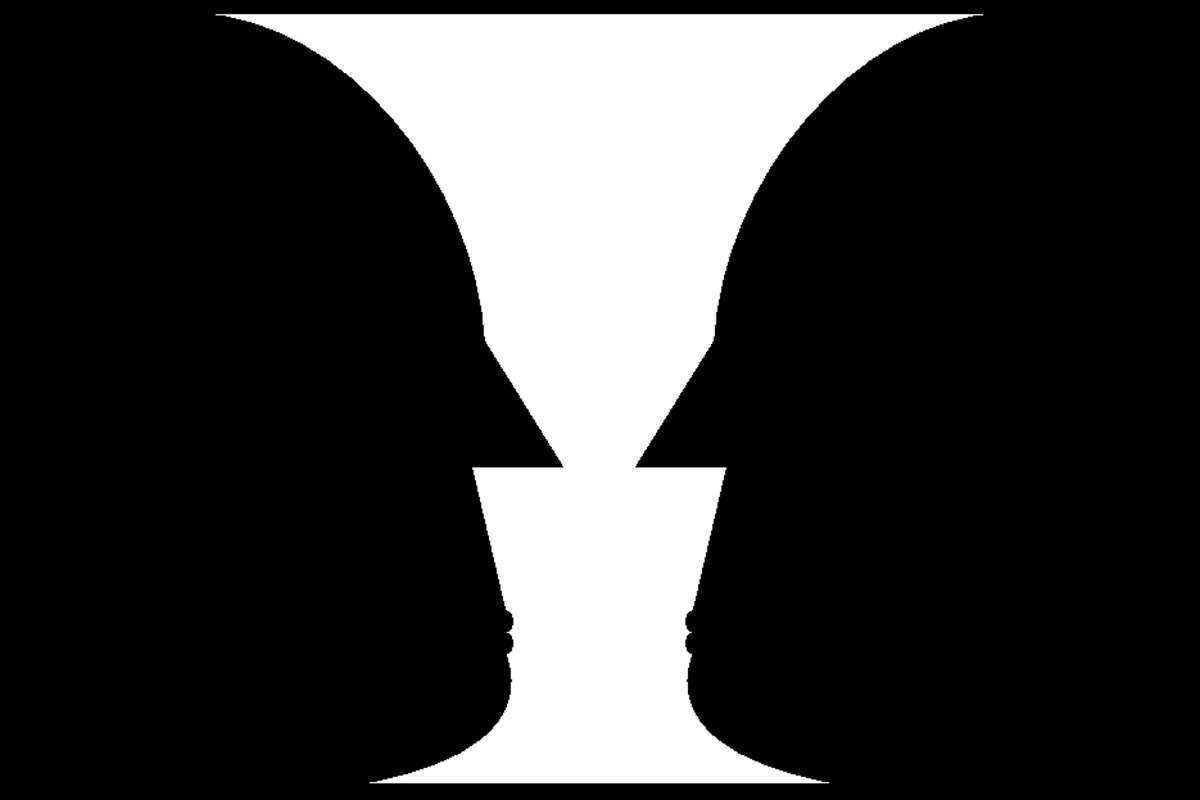
Visual Closure
The last one is especially interesting because the eye only skips along the page picking up bits and pieces. Visual closure is the brain’s ability to fill in what is missing, to close the visual gaps so-to-speak.
Once a student’s vestibular system and eye muscles are working well, we must go back and re-teach visual perception. A student who has memorized a fuzzy or wiggly letter A, will need to re-learn what it looks like in various different fonts.
Testing for Visual Processing Disorder
If you are looking for a diagnosis, a developmental optometrist (also known as a vision therapist or behavioral optometrist) or an occupational therapist trained in visual perception problems are your best options. The College of Optometrists in Vision Development keeps a directory that can help you find a developmental optometrist near you.
Although I cannot give you a diagnosis, testing through the CSLD can tell us exactly which skills your child needs help with, which ones are strengths and can be relied upon in their education and what types of activities or therapies to seek out.
A visual perception evaluation usually begins with a conversation about what you are seeing at home, followed by short, game-like tasks such as matching shapes, finding a figure hidden in a busy picture, completing an unfinished drawing, or copying designs. You can learn more about how this works through Scholé Academy’s Center for Learning Differences.
What Helps: Therapies and Physical Supports
When making a plan to help your student who is struggling with visual issues, first ease the burden. Put accommodations in place and some physical supports while you are working to address the underlying causes. Don’t worry, many parents have been in your exact shoes and their children have made wonderful gains. I hear the success stories all the time.
Prism Lenses and Vision Therapy
Physical aids such as prism lenses may be prescribed by a well-trained developmental optometrist and can help greatly when the student is struggling with eye tracking and teaming.
Vestibular Occupational Therapy
Vestibular trained occupational therapists can do a great deal to help when the vestibular system in the inner ear (the command center for the eyes) is underfunctioning. Once the inner ear is working correctly, vision therapy will help strengthen the muscles around and in the eyes.
Primitive Reflex Therapy
What underlies all of this, though, are primitive reflexes. When a baby is developing in the womb, primitive reflex movements bring on cascades of neurological development. Difficulties in utero, at birth or within the first 1-2 years of life can cause that development to stall out.
Visual perception depends upon the neural networks developed through primitive reflex movements such as asymmetrical tonic neck reflex (ATNR, which you may have learned about in Child Development 101). ATNR is the beginning of visual perception and auditory processing. Primitive Reflex therapists, such as MNRI trained practitioners, can identify these difficulties and prescribe exercises to get that development moving again. It’s not a quick process, but it is very effective.
Tips for Parents and Teachers
If you have a student who you suspect may be having difficulty with visual perception or eye tracking and teaming skills, here are some tips to help relieve some of the pressure.
- Ensure there is plenty of white space on the page. Visual clutter can cause them to shut down.
- Suggest they use their finger, a pencil or a ruler to help keep their place while reading.
- Get them a slant board for reading and table work. All students should be working on a 22° slant. You can buy one or build one out of 3-ring binders by stacking them up and securing them together with binder clips. That’s an old public school, SPED teacher tip.
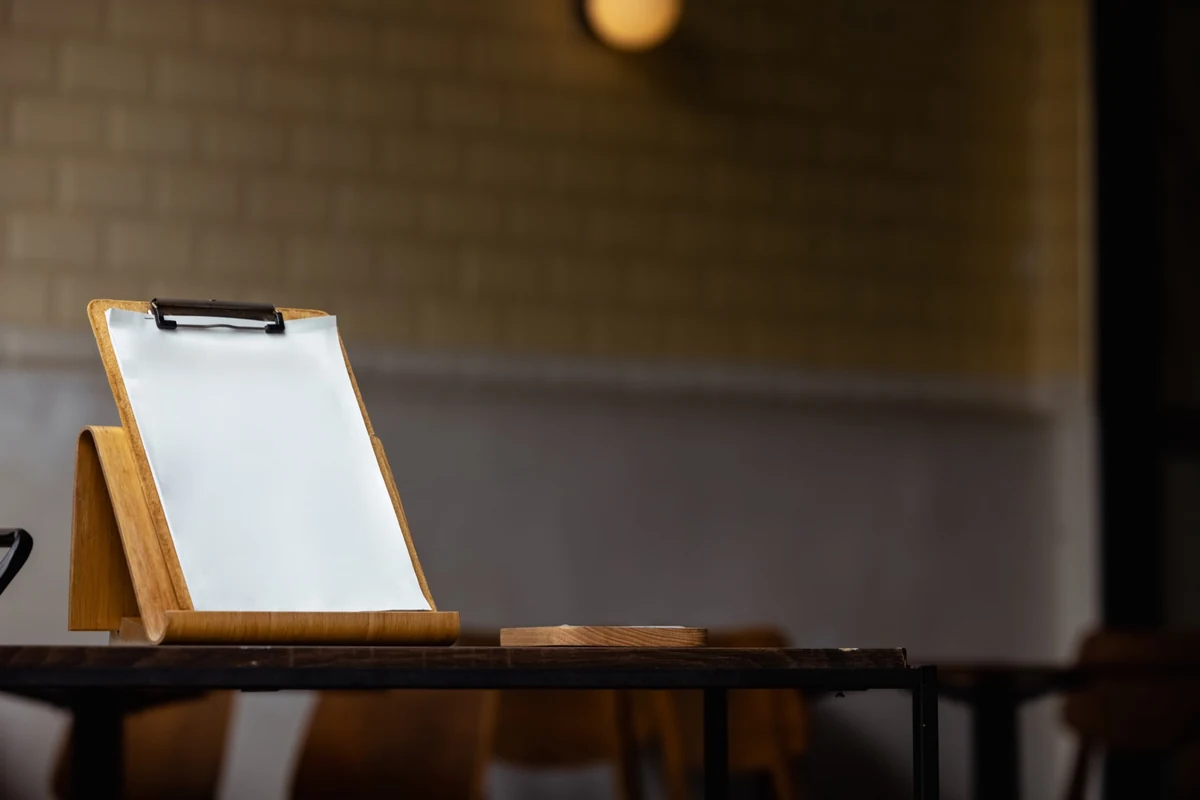
A slant board tilts the page up toward the eyes so the student is not hunched over a flat desk; a stack of binders clipped together does the same job. - Taking breaks from reading to rest their eyes is a good idea. This will be different with every student. The amount of time they can keep going before needing a break could be as little as a few minutes or as much as half an hour.
- Use audiobooks wherever possible.
- Talk through subjects instead of requiring them to read or write about it. This is a great opportunity for your student to be creative.
- Highlight key words in instructions. I have my students highlight, circle or underline words like same, circle, divide in the instructions. The verbs and other key words are often missed no matter how many times a student reads it.
- Lower demands. We all have our weak areas. Your student likely knows they are struggling and may feel badly about it. Encourage them that we are all different and that you are there to support them. The development of virtue and relationship are more important than if they can find the science definition in the text.
- Seek out testing. We can make a significant difference when we have a full picture of the child’s strengths and weaknesses. You can find help through Scholé’s Center for Students with Learning Differences. We have norm-referenced standardized testing and a thorough intake process that will help put a plan in place to move your student forward into the Great Conversation.

Frequently Asked Questions About Visual Processing Disorder
What are the signs of visual processing disorder in a child?
The most common signs are skipping words or lines while reading aloud, headaches, avoiding reading, trouble scanning for information or understanding what was read, blurred vision, tilting the head while reading, and difficulty judging distance.
Can a child with 20/20 vision have a visual processing problem?
Yes. A 20/20 score measures visual acuity, which is only one part of vision. Moving the eyes together smoothly and the brain’s ability to interpret what the eyes see are separate skills, and a standard eye exam may not check them.
Who diagnoses visual processing disorder?
A developmental (behavioral) optometrist or an occupational therapist trained in visual perception problems. Testing through Scholé’s Center for Learning Differences does not give a diagnosis, but it shows which skills are strengths, which need help, and what kinds of therapy to look for.
How can I help my child with visual processing problems at home?
Ease the burden first: keep plenty of white space on the page, let your child use a finger or ruler to keep their place, try a slant board, build in eye breaks, use audiobooks, and talk through subjects instead of always requiring reading and writing.
Help for Your Student
Every child is different, and an individual assessment saves families time and money by pointing straight to what will help. If your child is struggling with reading, spelling or math and you would like a clear picture of their strengths and needs, start with Scholé Academy’s Center for Learning Differences. Families can also pair that support with supplemental tutoring or a private course paced to their student.