Reflections on restful classical learning from the instructors and staff of Scholé Academy.
Catherine Wise shares recently published middle-grade novels her family loved reading aloud, from The Green Ember to A Place to Hang the Moon.
Jane Eyre's hardest decision shows what temperance really is. A literature scholar reads Brontë's heroine as a woman running toward inner order rather than away from vice.
What it means to read charitably: receiving a text on its own terms, as C.S. Lewis's good reader does, before judging or using it.
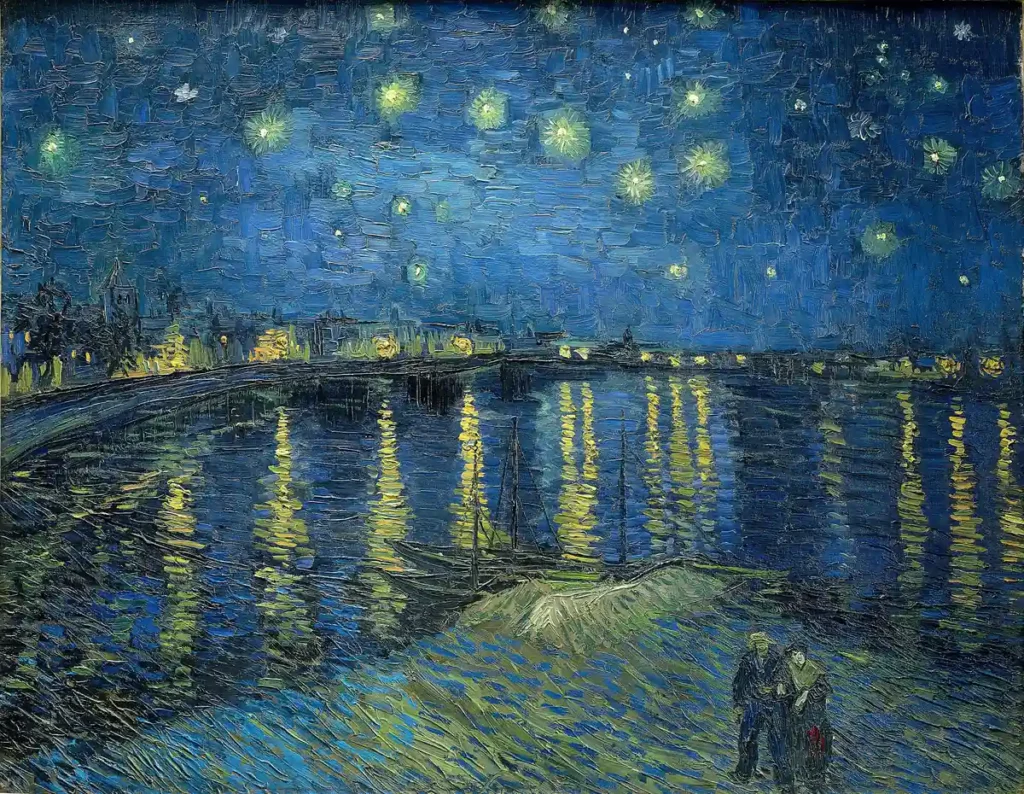
The last of the seven liberal arts: why the heavens declare the glory of God, the medieval cosmos, the Star of Bethlehem and the winter sky.
Why music sat beside arithmetic, geometry and astronomy: Pythagoras, Boethius, the music of the spheres, and music that forms the soul.
Euclid's Elements taught geometry for two thousand years. Why the ancients, Lincoln and Christian teachers valued geometry, and how to begin at home.
Why arithmetic opens the quadrivium, what Augustine saw in seven and three making ten, and what a classical approach to math looks like.
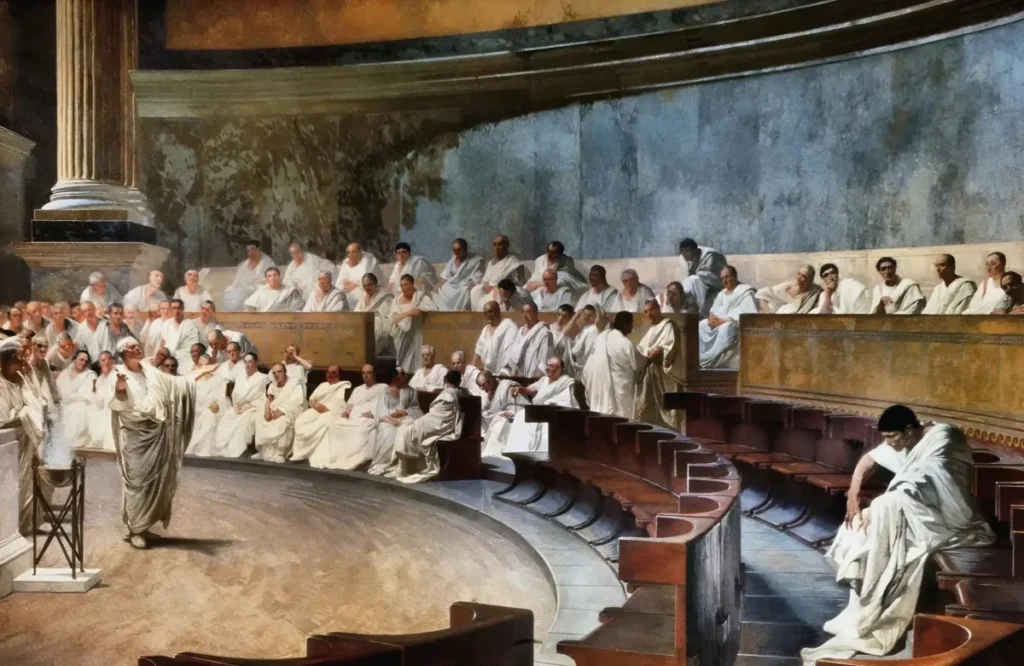
The classical art of rhetoric, from Aristotle and Cicero to Augustine, and why speaking the truth well takes courage as well as skill.
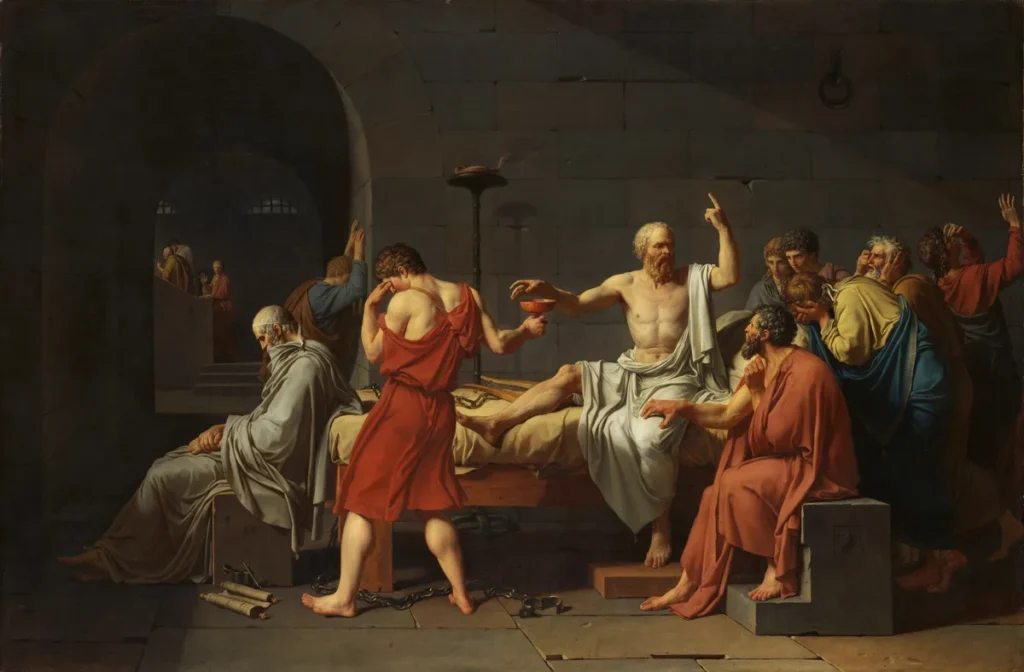
What logic meant to Aristotle and the medieval schools, what students learn in informal and formal logic, and why reasoning is a gift of the Logos.
How the classical tradition understood grammar, why Latin became the grammar school language, and what the grammar stage looks like at home.
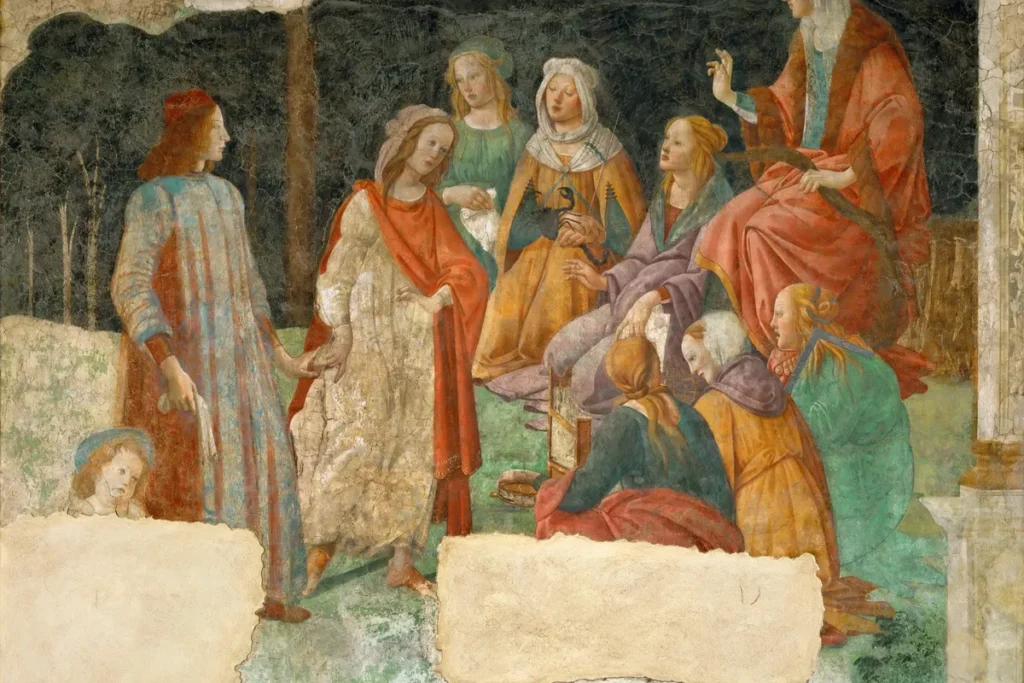
Grammar, logic, rhetoric, arithmetic, geometry, music and astronomy: what the seven liberal arts are, why they are called liberal, and how they form a child.
Latin is multiform yet well ordered. A Scholé Academy Latin teacher explains how students learn to gather its many parts into one unified and ordered whole.